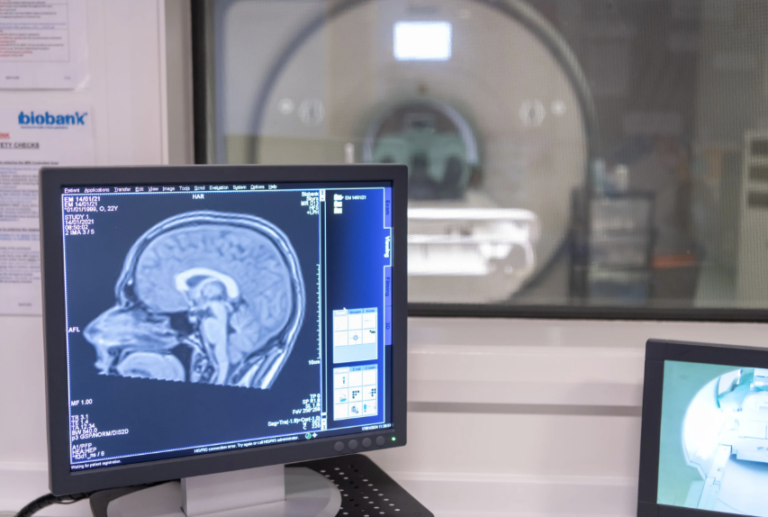

It is typically recommended that adults sleep at least seven hours each night; many people regularly fall short of that amount. Occasional restless nights are common and can follow travel, stress, or a change in routine. When poor sleep continues for an extended period, underlying sleep disorders may be a contributing factor. Sleep medicine specialists use several types of studies to observe how a person sleeps at night and how alert they remain during the day.
What Are Sleep Disorders?
A sleep disorder is a condition that affects the quality, timing, or amount of sleep a person gets. Some sleep disorders interfere with the ability to fall asleep or stay asleep, and others disrupt breathing, movement, or behavior during the night. There are some common disorders that may be identified, such as:
- Insomnia: Ongoing difficulty falling asleep, staying asleep, or returning to sleep after waking early
- Sleep Apnea: Repeated pauses or reductions in breathing during sleep, often accompanied by loud snoring
- Narcolepsy: A neurological condition associated with persistent daytime drowsiness and sudden episodes of sleep
- Parasomnias: Unusual behaviors or events during sleep, such as sleepwalking, sleep talking, teeth grinding, and recurring nightmares
Short-term sleep problems are a normal part of life. Disruptions that persist for several weeks or months can warrant a professional evaluation.
See also: Understanding the Benefits of Choosing an Out-of-Network Spine Specialist
What Are Sleep Studies?
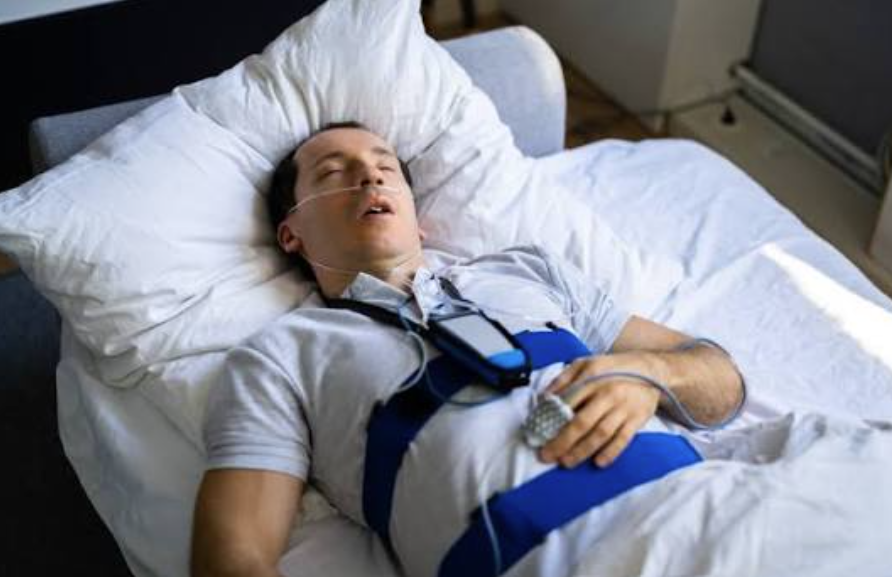
Sleep studies are tests that collect information about sleep patterns, and a sleep medicine provider may select a test based on a person’s symptoms and health history. Home sleep testing allows a person to sleep in their own bed. The device records data, such as sleep duration and breathing patterns, throughout the night. Providers may use this test when sleep apnea is suspected.
People who work overnight or rotating shifts can experience sleep difficulties tied to their schedules. Job-related sleep testing may involve keeping a log of sleep and wake times, helping a provider understand how work hours affect rest and daytime functioning. The maintenance of wakefulness test measures how well a person can stay awake during the day; these results help a provider assess daytime alertness.
Who Should Seek Testing?
Night-shift workers and people whose schedules change frequently may benefit from testing. Irregular hours can disrupt the body’s internal clock, making it harder to sleep during the day and stay alert at night. There are certain patterns that indicate a sleep evaluation may be beneficial, and signs to watch for include:
- Feeling tired, even after a full night in bed
- Struggling to fall asleep or stay asleep
- Waking during the night and being unable to return to sleep
- Snoring loudly or frequently
- Gasping or pauses in breathing during sleep
- Feeling a strong urge to nap during the day
- Having trouble concentrating or remembering information
People who notice any of these concerns can discuss them with a sleep medicine specialist. A sleep evaluation may begin with a review of sleep habits, daily routines, current medications, and overall health. This information helps determine whether a sleep study is appropriate and which type can provide the most useful data.
Consult a Sleep Medicine Specialist
After testing, the specialist reviews the results, and they may explain the findings. Depending on the outcome, a care plan can include options such as continuous positive airway pressure (CPAP) therapy, adjustments to sleep schedules, or other strategies that support consistent sleep routines. Contact a sleep medicine specialist to learn more about sleep disorders and available testing options.