How Neuroradiology Detects and Diagnoses Brain Tumors

How Neuroradiology Detects and Diagnoses Brain Tumors
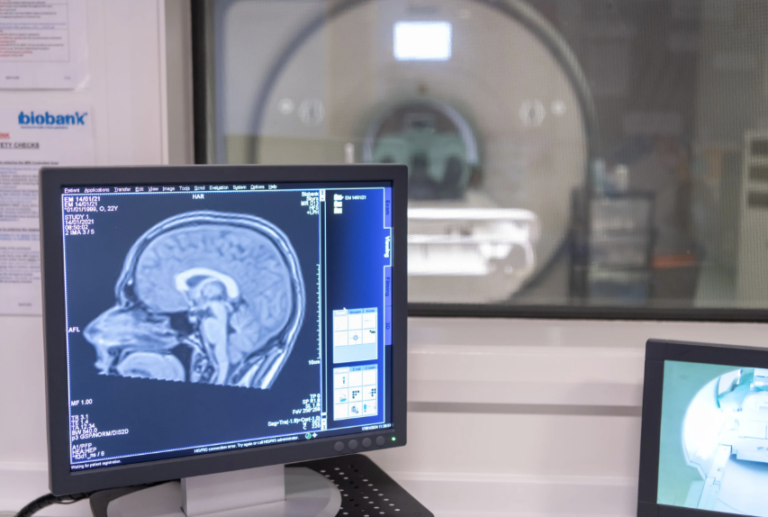
Neuroradiology plays a significant role in detecting and diagnosing brain tumors through advanced imaging techniques. Exams such as magnetic resonance imaging (MRI) help healthcare professionals identify abnormal growths, assess their size and location, and evaluate their effects on surrounding brain…

What To Know About Cardiology and Weight Loss

What To Know About Cardiology and Weight Loss

Cardiology examines how daily habits, medical conditions, and body weight affect long-term cardiovascular health, enabling cardiologists to manage conditions that affect the heart and blood vessels. When weight management becomes part of heart care, the goal is to support overall…

The Role of Sleep Studies in Diagnosing Disorders

The Role of Sleep Studies in Diagnosing Disorders

It is typically recommended that adults sleep at least seven hours each night; many people regularly fall short of that amount. Occasional restless nights are common and can follow travel, stress, or a change in routine. When poor sleep continues…