Newsletter Subscribe
Enter your email address below and subscribe to our newsletter

 ByJohn A
Solar panel installation in Ontario rarely looks the same for different properties. A suburban bungalow, a lake-access cottage and a warehouse each draw power on completely different rhythms, yet many owners begin with the same mental picture of panels on a roof. The gap between that picture and actual consumption is where most disappointment starts.
Matching a system to the building it serves is what separates a useful array from an expensive ornament. Solar panel installation in Ontario works best when the design follows measured demand, roof condition, available land and grid access, because those four factors decide output far more than panel brand or headline wattage ever will.
Household and Cottage Demand on Opposite Rhythms: A permanently occupied home draws power in steady daily peaks, so annual consumption gives a reliable sizing figure. Cottages invert that pattern entirely, sitting idle for months before every appliance runs at the same time across a long weekend. Sizing a seasonal property from yearly averages leaves it short exactly when the family arrives.
Commercial Load Peaking during Daylight Hours: Commercial buildings consume most of their electricity while panels are producing, which makes generation and demand line up naturally. A detailed energy load assessment shows how refrigeration, compressors and lighting stack across the working day, and that profile decides array size far more reliably than floor area or employee headcount.
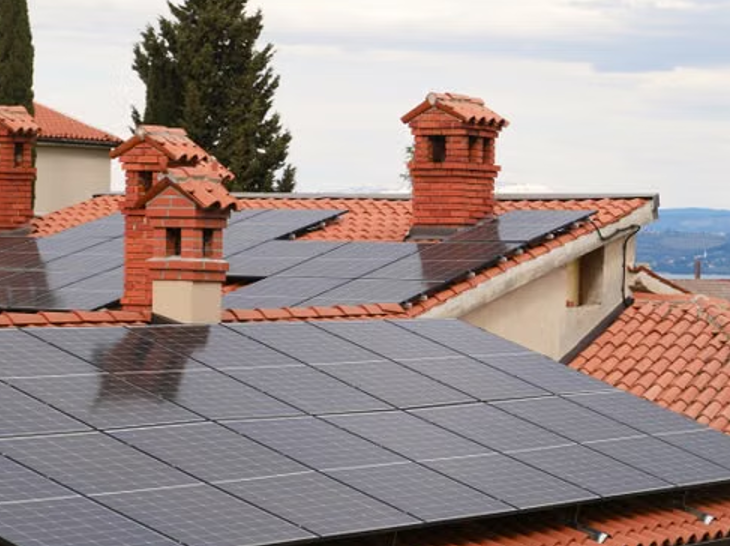
Roof Orientation and Remaining Life as Rooftop Deciders: A roof suits panels when it faces broadly south, carries at least fifteen years of remaining life and sits clear of shading from trees or neighbouring structures. Solar irradiance levels across southern and central Ontario support strong rooftop yields, though a steep north-facing slope or a roof due for replacement quickly cancels that advantage.
Ground Mounts for Shade, Snow and Access Problems: Ground-mounted arrays suit properties with open land and compromised roofs. Steeper angles shed snow faster, panels stay within easy reach for cleaning, and the array sits clear of tree lines. Solar panel installation in Ontario often performs better on ground mounts for rural owners, where winter clearing and maintenance access matter.
Battery Capacity Sized for Dark Winter Weeks: Off-grid systems live or die on storage. December in Northern Ontario delivers a fraction of June sunlight, so the battery bank must cover several consecutive overcast days without dropping to a damaging depth of discharge. Lithium iron phosphate banks tolerate cold better than lead acid and hold capacity longer.
Backup Generation Covering the Deepest Seasonal Gaps: Most remote installations pair panels with a small generator rather than oversizing the array for a handful of dark weeks. Running a generator for twenty hours a year costs far less than the extra panels and batteries needed to eliminate it, which keeps off-grid budgets realistic.
Roof Replacement Cycles Forcing Expensive Rework: Installing panels on a roof with five years left means paying twice, once for the array and again to remove and reset it during reroofing. Contractors working across the province regularly see owners who postponed a decision until the shingles failed, then faced removal costs that erased several years of savings.
Incentive Windows and Connection Queues Closing Quietly: Rebate programmes and net metering terms change with policy cycles, and connection approvals from the local distributor take time during busy seasons. Owners who delay often find the financial picture less favourable than the one they first researched. Early assessment preserves choice, while waiting hands the decision to outside circumstances.
Fixed Packages Suiting Simple, Predictable Properties: Pre-sized packages work reasonably well for standard homes with stable occupancy and unremarkable roofs. They are quicker to quote, cheaper to install and easy to compare across suppliers. The trade-off is rigidity, since a package chosen from a brochure cannot account for a shaded gable, an electric vehicle or a future workshop.
Custom Sizing Drawn from Twelve Months of Billing Data: Designing from twelve months of utility bills costs more in planning time and delivers a system that tracks genuine usage. Solar panel installation in Ontario delivers its best return when array size, inverter capacity and storage are matched to recorded consumption, because oversizing wastes capital and undersizing leaves the owner buying expensive top-up power.
Information Worth Gathering before Quotes Arrive: A short list of checks prevents most sizing errors. Solar panel installation in Ontario rewards owners who gather the right information before quotes arrive, because accurate inputs produce accurate proposals and make competing offers genuinely comparable. The points below cover what usually decides whether a system performs as promised or quietly underdelivers.
See also: Artificial Intelligence in Fashion Design
A system matched to real demand protects the investment, keeps bills predictable and holds its value across decades of use. Every season spent waiting is another season of full-price electricity and shifting incentive terms. Book a site assessment and a review of your consumption data to establish which approach suits your property.